Why More Businesses are Turning to On-Demand Transport
July 29, 2026
- Blog
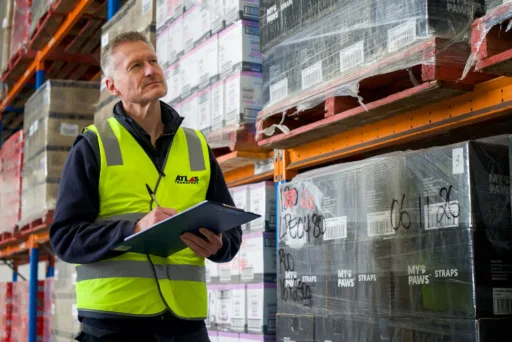
A delayed shipment doesn’t just affect freight.
It can halt production, leave shelves empty, delay customer orders, and create pressure across an entire operation. More Australian businesses are now building on-demand transport into how they operate, rather than reaching for it only in a crisis.
Key Points
- The real comparison isn’t freight rate against freight rate. It’s freight rate against the cost of the delay it prevents.
- On-time performance comes down to dispatch hours, tracking, and driver familiarity.
- Damage risk on urgent freight is a vehicle-matching issue, not a speed issue.
- Fragile and high-value freight depends on consistency more than anything else.
When Scheduled Freight Isn’t Enough
Scheduled freight covers most day-to-day needs. The shift happens when something unexpected disrupts that plan: a missed supplier delivery, an urgent customer order, a production line waiting on one part. Businesses that only reach for on-demand transport during a crisis tend to book it in a rush, without checking whether the provider can actually deliver on the promise. That’s the gap on-demand transport is built to close, and the objections below are the ones worth working through before you need it.
1. The Cost Question Isn’t What It Seems
On-demand freight carries a higher rate than scheduled freight, which puts businesses off before they’ve run the numbers.
The Quick Win:
Add up the missed sale, staff time managing the fallout, and any flow-on cost like idle production or an empty shelf during a trading peak. Compare that total to the on-demand premium.
The Strategic Fix:
Economist Intelligence Unit research shows supply chain disruptions can cost businesses 6 to 10 percent of annual revenue, once lost sales and reputational damage are counted. Measured honestly, on-demand freight is often cheaper, not more expensive.
2. On-Time Delivery Starts With the Right Dispatch System
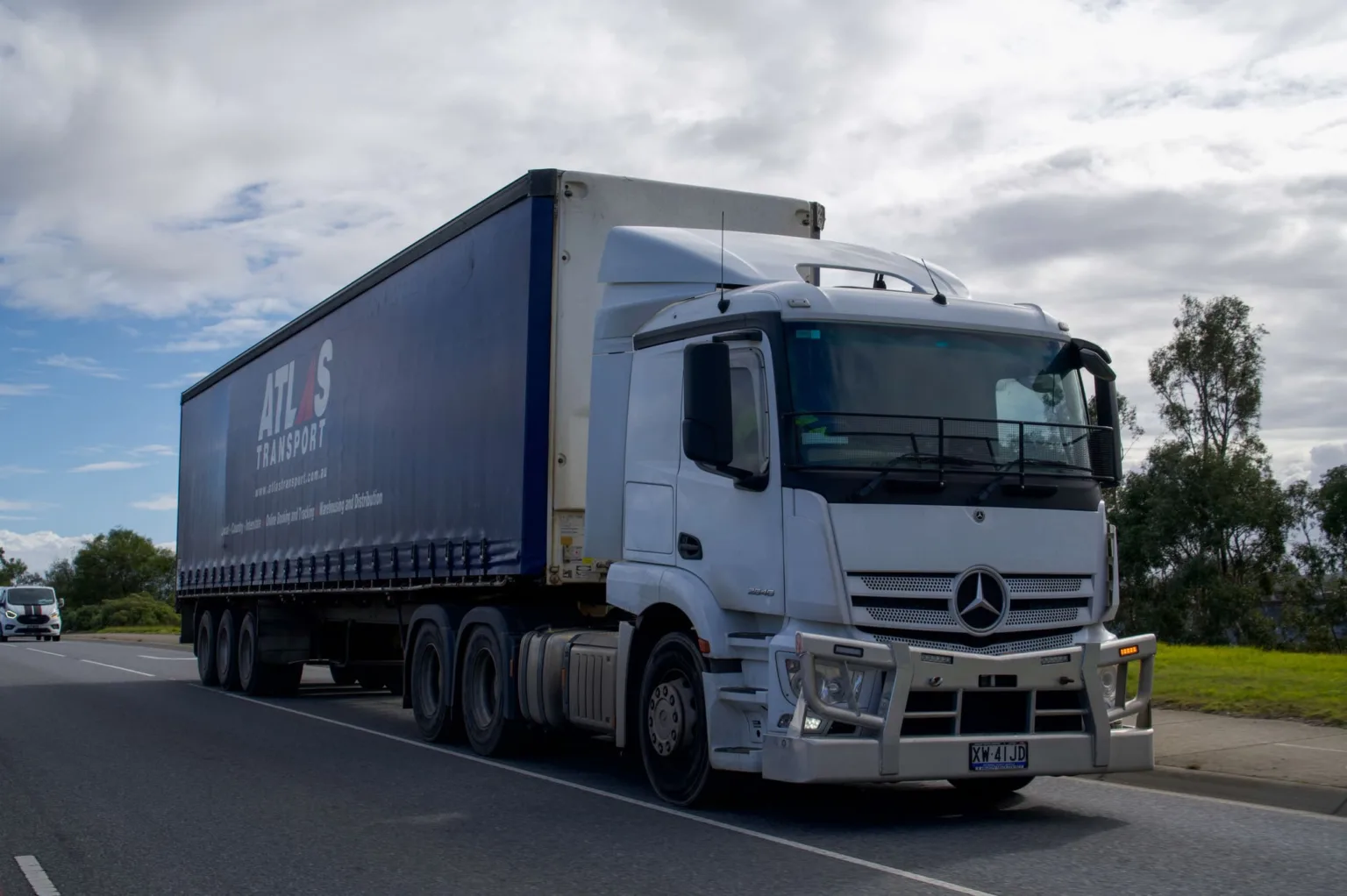
A quoted delivery time means little if the systems behind it aren’t built for speed.
The Quick Win:
Ask any provider for their actual dispatch hours, not just office hours. A genuinely useful window runs well beyond standard 9-to-5 hours, covering the early mornings and evenings when urgent freight tends to move.
The Strategic Fix:
Look for real-time GPS tracking, photo confirmation, and dedicated drivers who know your locations. Mordor Intelligence market data shows same-day delivery demand in Australia is growing faster than standard delivery, so providers without solid tracking systems will struggle to keep up.
3. Damage Risk Is a Vehicle-Matching Problem, Not a Speed Problem
Urgency gets blamed for damaged freight more than it deserves. Usually it’s a mismatch between load and vehicle.
The Quick Win:
Ask how the vehicle will be selected for your load. A pallet needing a one-tonne tray shouldn’t end up squeezed onto a B-double.
The Strategic Fix:
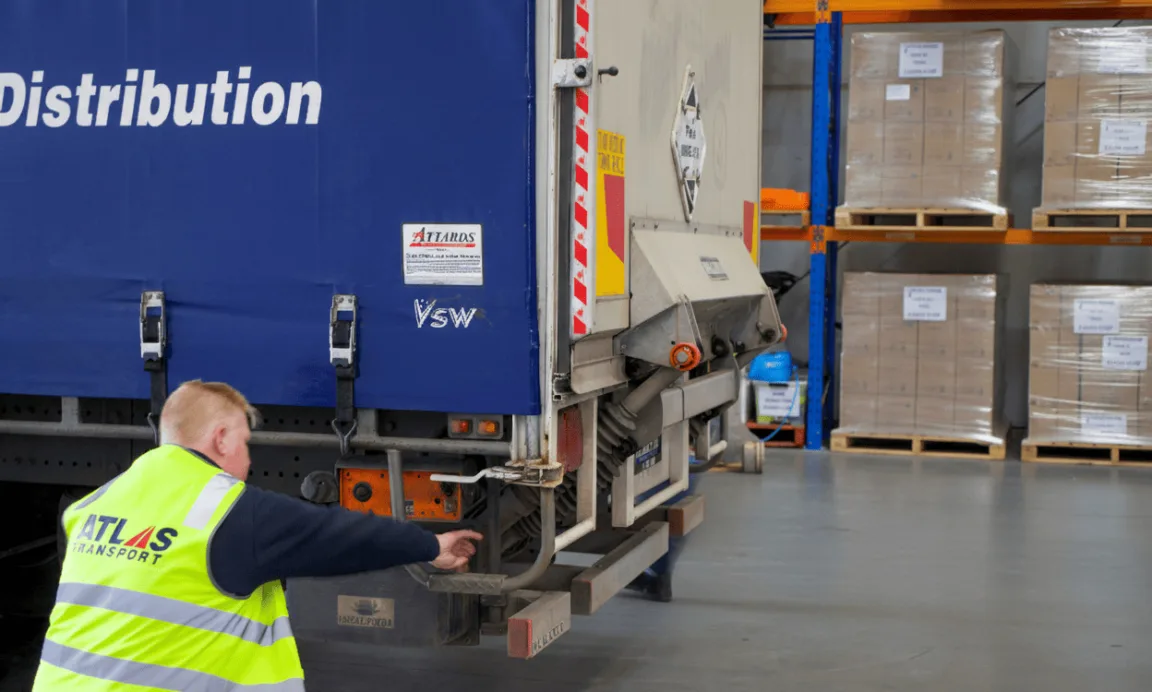
Look for a provider whose fleet genuinely ranges in size, from small trays through to multi-tonne semis and B-doubles, so freight gets matched to the right vehicle rather than fitted in wherever there’s room, and handled by drivers used to securing similar loads.
4. Fragile and High-Value Freight Needs Consistency, Not Just Speed
Every handover adds risk, and sensitive freight is more exposed to it than most.
The Quick Win:
Ask how many people or vehicles your freight passes through between pickup and delivery. One dedicated driver beats a job handed off partway through.
The Strategic Fix:
Industry data puts the standard LTL freight damage rate at around 1.24 percent, with fewer handling touches producing notably lower rates. Dedicated drivers and proof of delivery on every job are the two features that make the biggest difference here.
The Hidden Cost of Waiting
Freight costs are easy to measure. Waiting costs are less visible, but they add up:
- Missed sales and customer penalties
- Idle staff or production time
- Emergency freight booked at a premium anyway
- Delayed deliveries and follow-up complaints
- Reduced confidence from customers who experienced the delay firsthand
What to Look for in a Provider
- Dispatch hours beyond standard business hours
- Real-time GPS tracking and delivery confirmation
- A fleet that genuinely ranges in size
- Dedicated or permanent driver options
- Metro and regional coverage nationwide
Ready When You Need It
On-demand transport works best when it’s chosen before a crisis, not during one. The questions above tell you more about a provider’s reliability than a quoted delivery time ever will.
Want to talk through how flexible freight support could work for your business? Let’s have a chat.
Frequently Asked Questions
1. Can a transport provider really deliver on urgent notice?
Yes, when it has clear dispatch hours, real-time tracking, and vehicles matched to different load types.
2. Is on-demand transport more expensive than scheduled freight?
Usually, per job. But compared against the cost of a delay, including lost sales and staff time, it’s often the cheaper option.
3. What causes freight damage on urgent deliveries?
A mismatched vehicle, inexperienced handling, or too many handovers, not the speed of the job itself.
4. How does on-demand transport support fragile or high-value freight?
Through consistency: fewer handovers, a dedicated driver, and proof of delivery on every job.
5. When should a business start using on-demand transport?
Before it’s needed in a crisis, once delay-cost and provider vetting are built into normal planning.
Author

Paul McDowell
National Freight Director at Atlas Transport
With extensive experience in intra and interstate transport, fleet management, and route optimisation, Paul helps Australian businesses navigate complex delivery networks and build highly reliable, delay-free road freight strategies.