How to Choose the Right 3PL Logistics Company in Australia
July 25, 2026
- Blog
Choosing a 3PL company is rarely about who has the biggest warehouse, or who quotes the lowest rate per pallet.
Most businesses find that out around month four, when the storage that looked flexible on paper turns out to be rigid in practice.
By then, switching providers means re-negotiating contracts, re-mapping inventory, and explaining the disruption to customers who do not care whose fault it was.
The businesses that get this decision right ask different questions early, testing the operating model underneath the pitch. That’s exactly what separates a real 3PL solutions partner from a warehouse with a sales team attached.
Key Takeaways
- Warehouse size matters less than how flexible the storage terms are once you sign.
- A provider’s transport network only helps if it matches where your customers actually are.
- Technology claims are worth testing before you sign, not after.
- Contract flexibility protects your margin more than a low headline rate does.
- The number of people between you and a resolved problem tells you more than any service level agreement.
Look Past the Warehouse Size and Assess the Operating Model
Most businesses compare 3PL providers in Australia on square metreage, assuming bigger means better fit. That number says little about whether the space flexes with your business in practice, or locks you in.
The Quick Win (Low/No Cost)
Ask any provider two questions: how often can I adjust the space I’m using, and what happens to my rate if my stock volume drops for a quarter? A provider offering 3pl warehouse solutions in the true sense will answer straight away. One reciting a fixed lease structure usually will not.
The Strategic Fix
Look for daily, weekly, or as-needed terms, short- and long-term storage, and container decanting handled in-house. These details separate flexible 3pl solutions from a warehouse lease dressed up as a partnership.
Match Their Network to Where Your Customers Actually Are
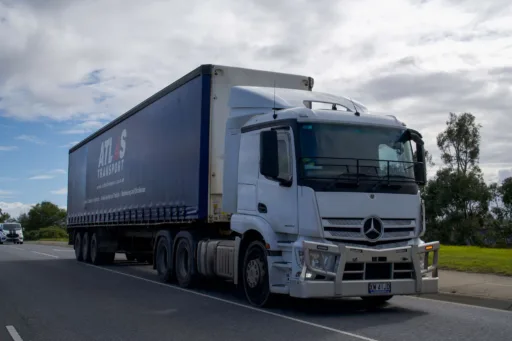
A provider can have an impressive fleet and still be the wrong fit if none of it reaches your customers. This is one of the most overlooked parts of choosing 3pl logistics services, comparing fleet size on a website instead of checking real coverage.
The Quick Win (Low/No Cost)
Pull your delivery addresses from last quarter and sort them by state and postcode. Then ask each provider to confirm, in writing, which postcodes they service directly, and which get handed to a subcontractor.
The Strategic Fix
A 3pl logistics provider worth choosing covers metro and regional areas without an extra handling step or subcontractor markup. Nationwide coverage only counts if it holds up, right down to the postcode level.
Separate Real Technology From a Sales Deck
Every 3PL provider will tell you they offer real-time tracking and full visibility. Fewer can show it to you on the spot.
The Quick Win (Low/No Cost)
During the sales process, ask to see live tracking on an active order, right there in the meeting. Not a screenshot. Not a demo built for the pitch. An order, moving right now.
The Strategic Fix
Real visibility means GPS tracking, digital proof of delivery, and reporting you can access yourself, rather than technology you have to request each time.
Read the Contract for Flexibility, Not Just the Rate
The cheapest quote rarely stays the cheapest option once the contract is signed. Rigid terms hide their true cost until your business needs to change, and by then you are locked in.
The Quick Win (Low/No Cost)
Before signing anything, check the contract for minimum volume commitments, lock-in periods, and the conditions that trigger a rate review. If any are vague, ask for them in writing.
The Strategic Fix
Scalable terms protect your margin whether volume drops in a quiet quarter or spikes ahead of a busy season, worth more over a year than a slightly lower rate locked to rigid terms.
Count the Steps Between a Problem and a Person Who Can Fix It
Every provider will promise responsive support. What matters is how many people sit between you and someone who can really solve a problem.
The Quick Win (Low/No Cost)
During onboarding, raise a real question and time how it’s handled. Does it reach a dedicated account manager who knows your business, or a general ticket queue?
The Strategic Fix
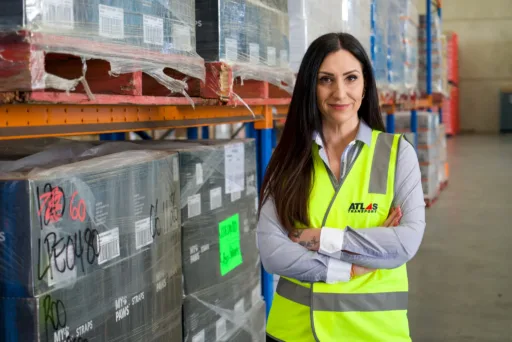
Dedicated account management means one person who understands your operation, not a rotating queue of unfamiliar contacts. That relationship often decides how quickly problems get resolved.
Choosing With Confidence
None of this comes down to one factor. It comes down to whether a provider’s storage, network, technology, and support hold up once you look past the pitch.
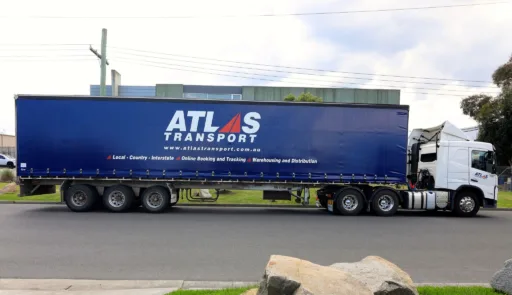
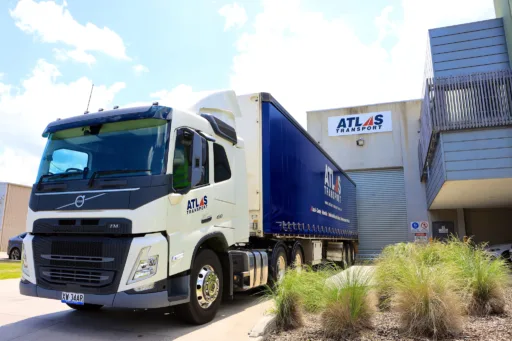
At Atlas Transport, we’ve spent more than 40 years building our 3PL solutions around exactly these principles: flexible storage, real nationwide coverage, transparent technology, and a team who knows your business by name.
Ready to see how it compares? Let’s have a chat
Frequently Asked Questions
1. What does a 3PL logistics company do?
A 3PL provider manages storage, order fulfilment, and freight coordination for another business, while you retain ownership of your goods and brand.
2. How is 3PL pricing usually structured in Australia?
Pricing is typically based on storage space, order volume, and freight distance, rather than a flat fee. Genuinely flexible providers adjust this as your volume changes, instead of locking you into a fixed rate.
3. How long does onboarding with a new 3PL provider usually take?
Timelines vary with stock volume and system integration, but a well-run transition typically takes a few weeks. Ask for a clear, staged onboarding plan before you sign.
4. Can a 3PL provider handle regional and interstate deliveries, not just metro?
Some can, and some only claim to. Always confirm postcode-level coverage rather than relying on general statements about nationwide reach.
5. What industries in Australia rely most on 3PL logistics services?
Manufacturing, retail, agriculture, automotive, and construction businesses are among the heaviest users of 3PL logistics services, since their storage and delivery needs shift often enough that in-house logistics is hard to scale.
Author

Dan Hill
Client Success Lead and Supply Chain Strategist at Atlas Transport
Dedicated to managing delivery expectations and reducing supply chain friction, Dan partners with Australian businesses to unravel logistics complexity and build transparent, highly reliable freight solutions.
With a focus on 3PL partnerships, supply chain consolidation, and scalable operations, he also helps businesses transition from fixed infrastructure to highly efficient, growth-ready logistics models.