How to Streamline Road Freight Transport Across Your Supply Chain
May 11, 2026
- Blog
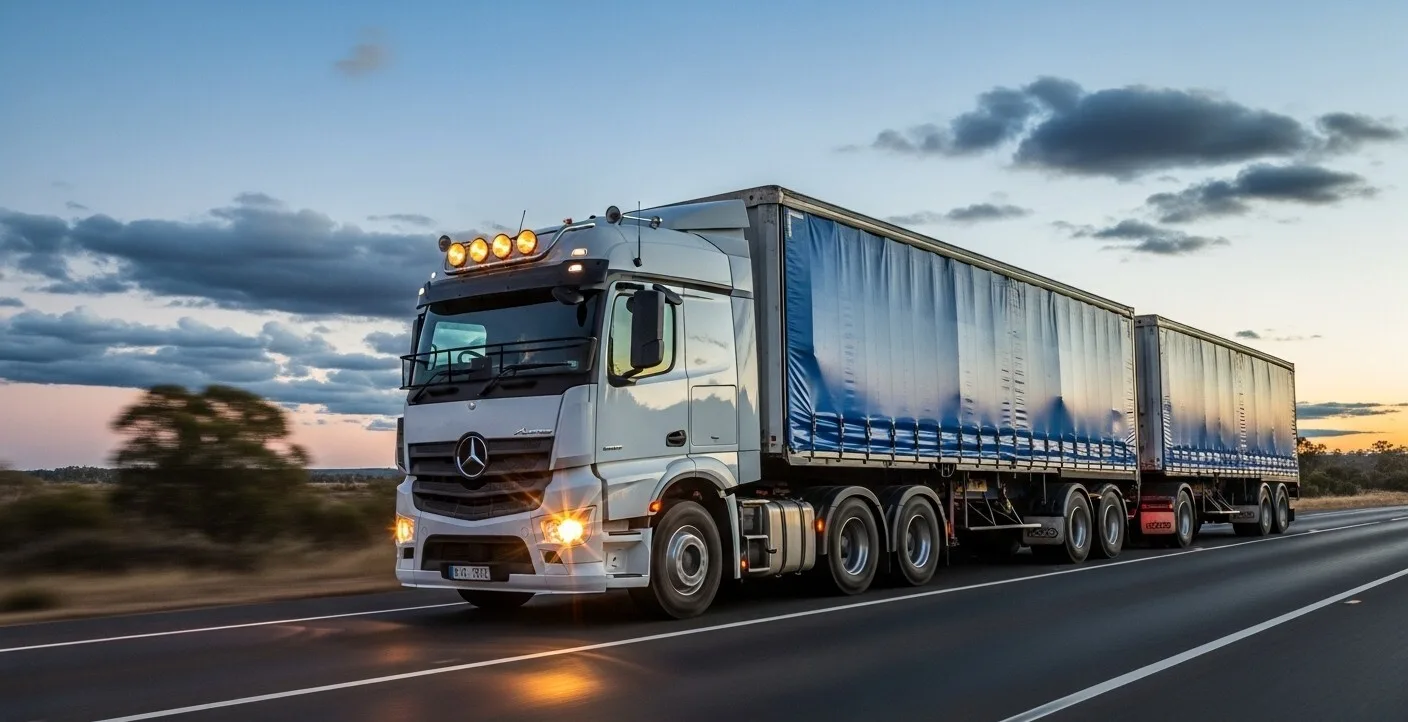
Most freight problems do not start on the road. They start earlier—with unclear dispatch priorities, poorly built pallets, missing site information, or the wrong vehicle booked for the job.
Strong road freight transport is not just about moving goods from pickup to delivery; it is about removing friction across the entire supply chain. When road freight is planned effectively, it protects stock flow, reduces handling mistakes, shortens response times, and gives your team more control over what happens next.
For businesses moving goods across metro and regional Australia, a truck is never just a truck. It is often the final, critical link between stock being available and a customer getting exactly what they need on time. Here is how to audit and streamline your road freight operations.
Key Takeaways
- The Root of Delays: The biggest freight delays usually stem from poor handover protocols at the loading dock, not just traffic or distance.
- Transit-Ready Pallets: Pallets must be built for the journey and the unloading sequence, not just for warehouse storage.
- Smart Vehicle Selection: Choosing a vehicle based purely on freight volume is a mistake; it must be matched to the destination’s access conditions.
- Information is Speed: Better route planning starts with hyper-accurate booking information from the shipper.
- Strategic Partnerships: A strong freight partner acts as an extension of your operations, reducing pressure across the board rather than just acting as a transactional carrier.
3 Ways to Streamline Your Road Freight Operations
Road freight offers incredible flexibility, but without standard operating procedures, that flexibility quickly turns into chaos. Here are the common roadblocks and how to fix them.
Roadblock #1: The “Blind Booking” Trap
The most common cause of a delayed delivery is incomplete booking information. If a carrier does not know the exact dimensions, weight, or site constraints, they cannot plan an efficient route, and this lack of information also impacts correct vehicle selection.
The Quick Win (Low/No Cost):
- The Mandatory Dispatch Checklist: Stop accepting vague transport bookings from your sales or customer service teams. Create a mandatory internal checklist that must be filled out before transport is booked. It should include exact pallet dimensions, forklift availability at the receiving end, and specific site receiving hours.
The Strategic Fix:
- API Integration: Integrate your ERP or Warehouse Management System (WMS) directly with your transport provider’s dispatch system. This automates the data transfer, completely eliminating manual data entry errors and ensuring the transport planner sees exactly what your warehouse sees.
Roadblock #2: Mismatched Vehicles and Sites
Different freight needs call for different vehicles, but the smartest choice is not always the biggest one. A load might physically fit into a semi-trailer, but if that trailer cannot back into a tight metro retail dock, the entire delivery fails.
The Quick Win (Low/No Cost):
- Site Access Profiling: For your top 20 regular delivery locations, document their exact access constraints. Do they need a tailgate? Is there a height restriction? Can a rigid truck turn around in their yard? Store this data on the warehouse floor so dispatchers never guess what vehicle is required.
The Strategic Fix:
- Partner with a Mixed-Fleet Provider: Instead of juggling multiple sub-contractors, partner with a transport provider that operates a highly diversified fleet. A provider with everything from smaller rigids for urgent metro runs to heavy linehaul vehicles for interstate freight can dynamically allocate the perfect asset for the specific route.
Roadblock #3: Pallets Built for Storage, Not Transit
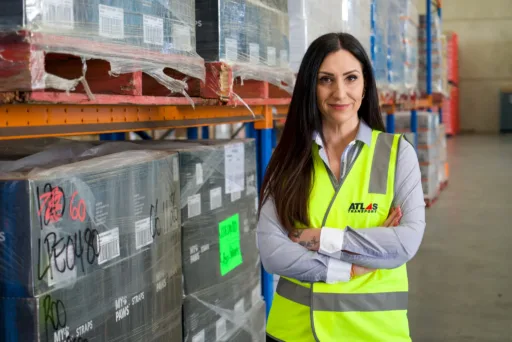
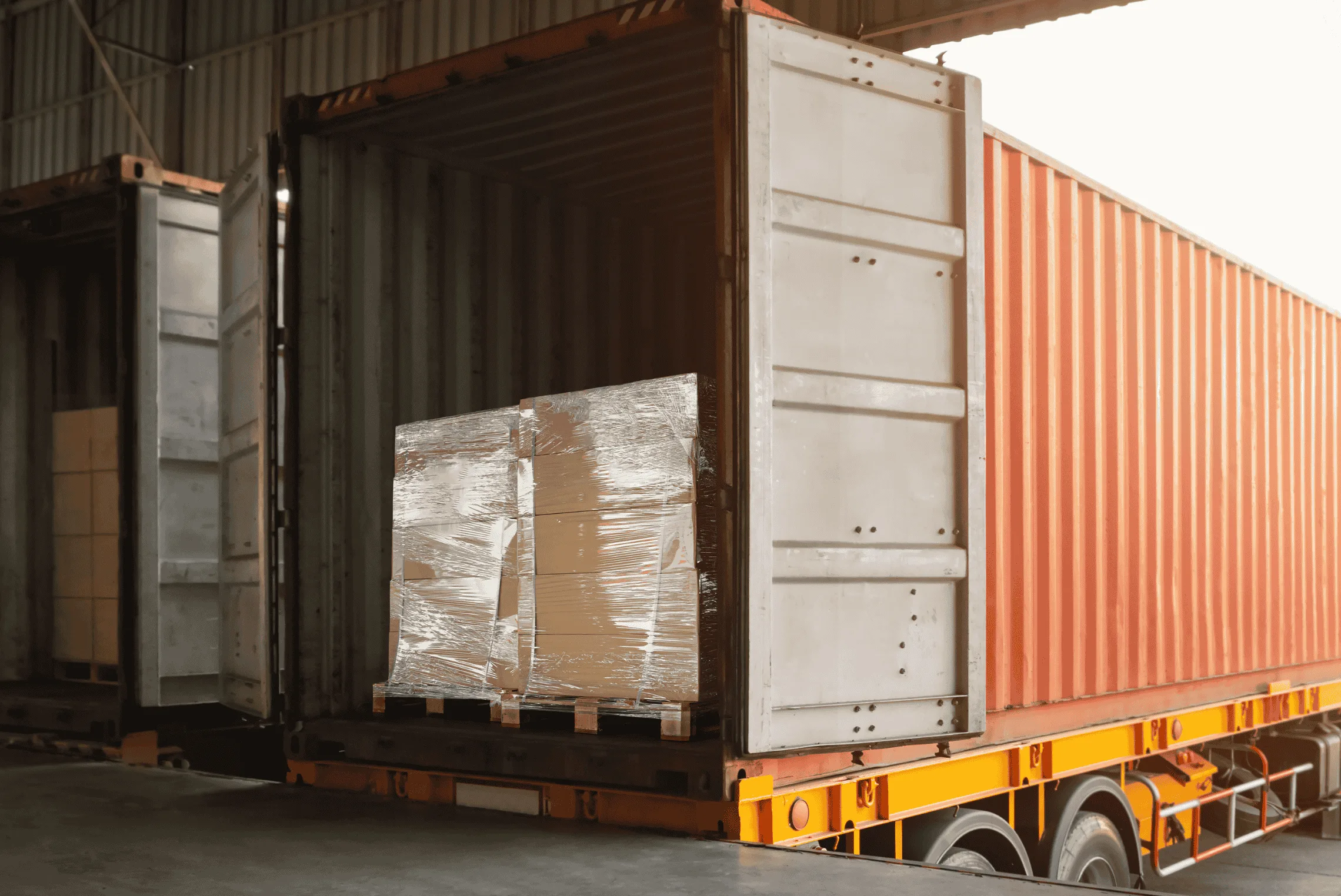
If there is one area where businesses can improve road freight outcomes immediately, it is loading. Freight that is loaded in the wrong order, wrapped poorly, or mixed without clear labelling almost always creates delays at the destination.
The Quick Win (Low/No Cost):
- Implement Reverse-Sequence Loading (LIFO): Train your forklift operators to load the truck in “Last In, First Out” order based on the delivery route. The first delivery of the day should be the last pallet loaded. This entirely eliminates the need for the driver to unload and re-pack freight on the side of the road to reach a pallet.
The Strategic Fix:
- Standardise Load Restraint and Profiling: Develop strict, documented pallet-building guidelines. Consistent stack heights, heavy items at the base, and commercial-grade wrapping in line with the NHVR Load Restraint Guide protect the freight and comply with Chain of Responsibility (CoR) laws.
Stop Managing Friction and Start Moving Freight
A strong freight provider should make your operation feel calmer, not busier. They shouldn’t just collect and deliver; they should spot booking gaps, flag access issues early, and provide the consistency that lets your team plan with total confidence.
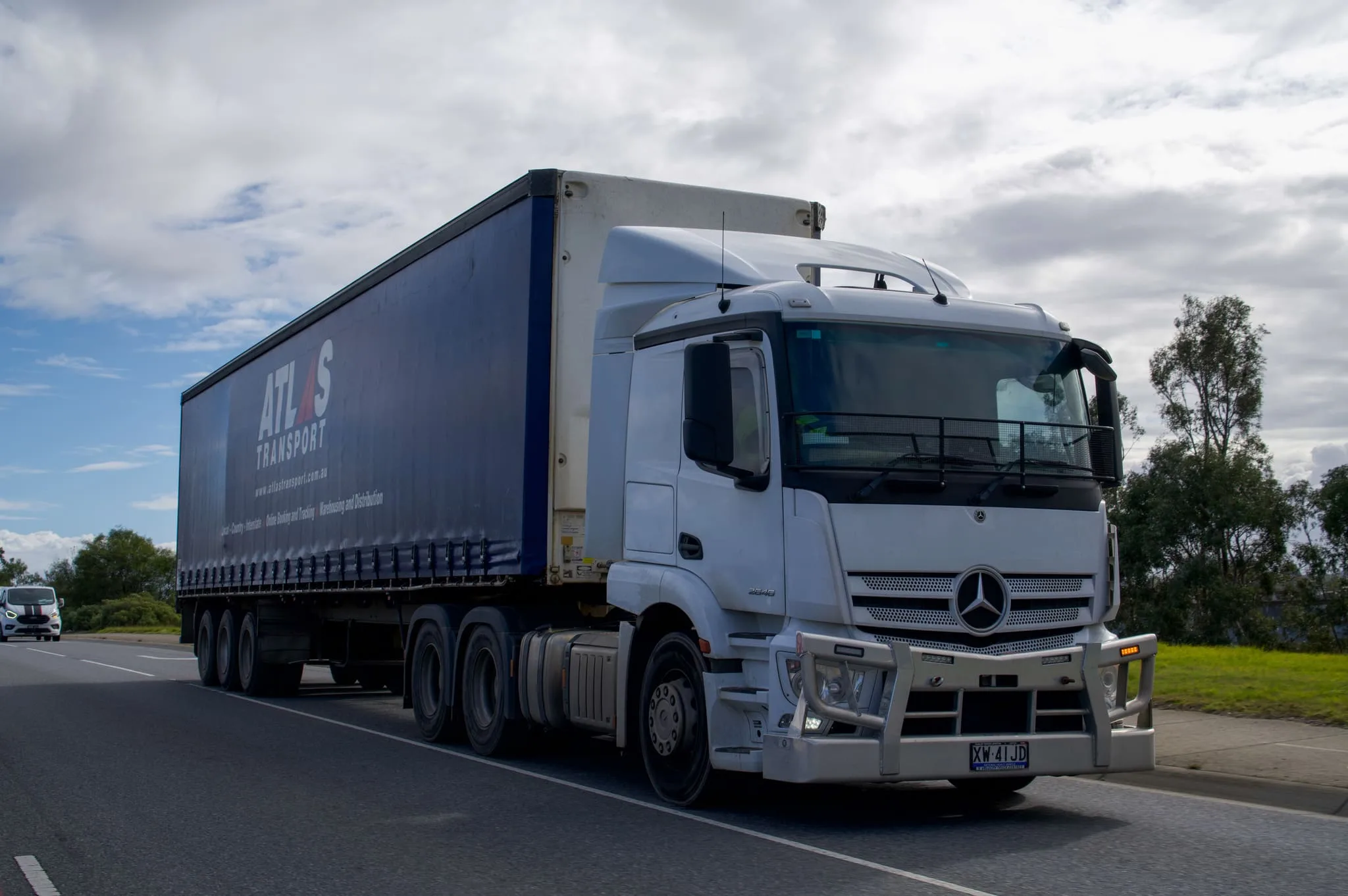
At Atlas Transport, we operate across metro and regional Australia, offering integrated services across pallet freight, retail replenishment, and interstate delivery. By aligning your transport strategy with a reliable, national fleet, you reduce handovers, clear communication bottlenecks, and keep your supply chain moving.
Need help streamlining your freight network?
Frequently Asked Questions
1. What is the difference between pallet freight and general freight?
Pallet freight is securely packed and shrink-wrapped onto standard wooden or plastic pallets, allowing it to be loaded, stacked, and unloaded highly efficiently using a forklift. General freight is a broader term that includes palletised goods but also loose, awkwardly shaped, or non-standard commercial items.
2. Can road freight support both metro and regional delivery?
Yes. Road freight’s greatest strength is its flexibility. Unlike rail or air, road transport can connect a metro distribution centre directly to a regional store or worksite without requiring multiple transport mode changes.
3. What details should I provide when booking freight?
Always provide the exact freight type, accurate pallet count, dimensions (L x W x H), total weight, specific pickup/delivery addresses, site access limits (e.g., tailgate required), and mandatory delivery windows.
4. What is the easiest way to reduce freight damage?
Focus on stable pallet building. Ensure heavy items are at the base, nothing overhangs the pallet edges, and the freight is tightly shrink-wrapped. Freight that is packed to endure transit movement, rather than just warehouse storage, is significantly less likely to be damaged.
Author

Paul McDowell
National Freight Director at Atlas Transport
With extensive experience in intra and interstate transport, fleet management, and route optimisation, Paul helps Australian businesses navigate complex delivery networks and build highly reliable, delay-free road freight strategies.