Can a 3PL Warehouse Handle Urgent Orders?
May 26, 2026
- Blog

For many Australian businesses, urgent orders are not the real problem. They are the warning light.
A retailer needs emergency replenishment. An ecommerce campaign performs better than expected. A distributor requests a fast interstate dispatch. The team works harder, picks faster, stays back later, and books freight at the last minute.
That may work once or twice. But if urgent orders keep disrupting the day, the issue is not effort. It is the warehouse system behind the effort.
A strong 3PL warehouse can help businesses handle urgent orders, but only when storage, inventory, picking, and dispatch are built to absorb pressure. Here is how to audit your current setup and fix the gaps before the next demand spike hits.
Key Takeaways
- The Warning Light: Urgent orders expose weak systems, including poor stock control, unclear priorities, and limited dispatch capacity.
- The First Fix Is Triage: Your team needs a clear rule for what counts as urgent before the warehouse gets busy.
- Speed Starts With Layout: Fast-moving stock should be positioned for picking speed, not just stored wherever space allows.
Inventory Accuracy Protects Dispatch: If your stock data is wrong, every urgent order becomes a manual search task. - Flexible 3PL Logistics Adds Breathing Room: The right 3PL partner can support overflow storage, fulfilment, and dispatch when internal capacity is stretched.
Start by Separating Urgent From Noisy
The fastest way to overwhelm a warehouse is to treat every request as urgent. Sales, customer service, and account managers may all have different views on what needs to move first. Without a shared rule, the warehouse becomes the place where those competing priorities collide.
The Quick Win (Low/No Cost):
Create a one-page urgent order rule sheet. Define the situations that genuinely qualify, such as same-day dispatch, retail stockout risk, high-value wholesale orders, customer recovery orders, or campaign stock with a fixed delivery window.
Then assign one person per shift to approve urgent status. This protects the warehouse from constant priority changes and gives the team a clear queue to follow.
The Strategic Fix:
Build urgent order triage into your fulfilment process. Orders should be tagged, picked, packed, and dispatched according to agreed rules. If you use on demand 3PL services, your provider should understand those rules before peak periods begin, not after the first missed dispatch.
Move Fast Stock Closer to Dispatch
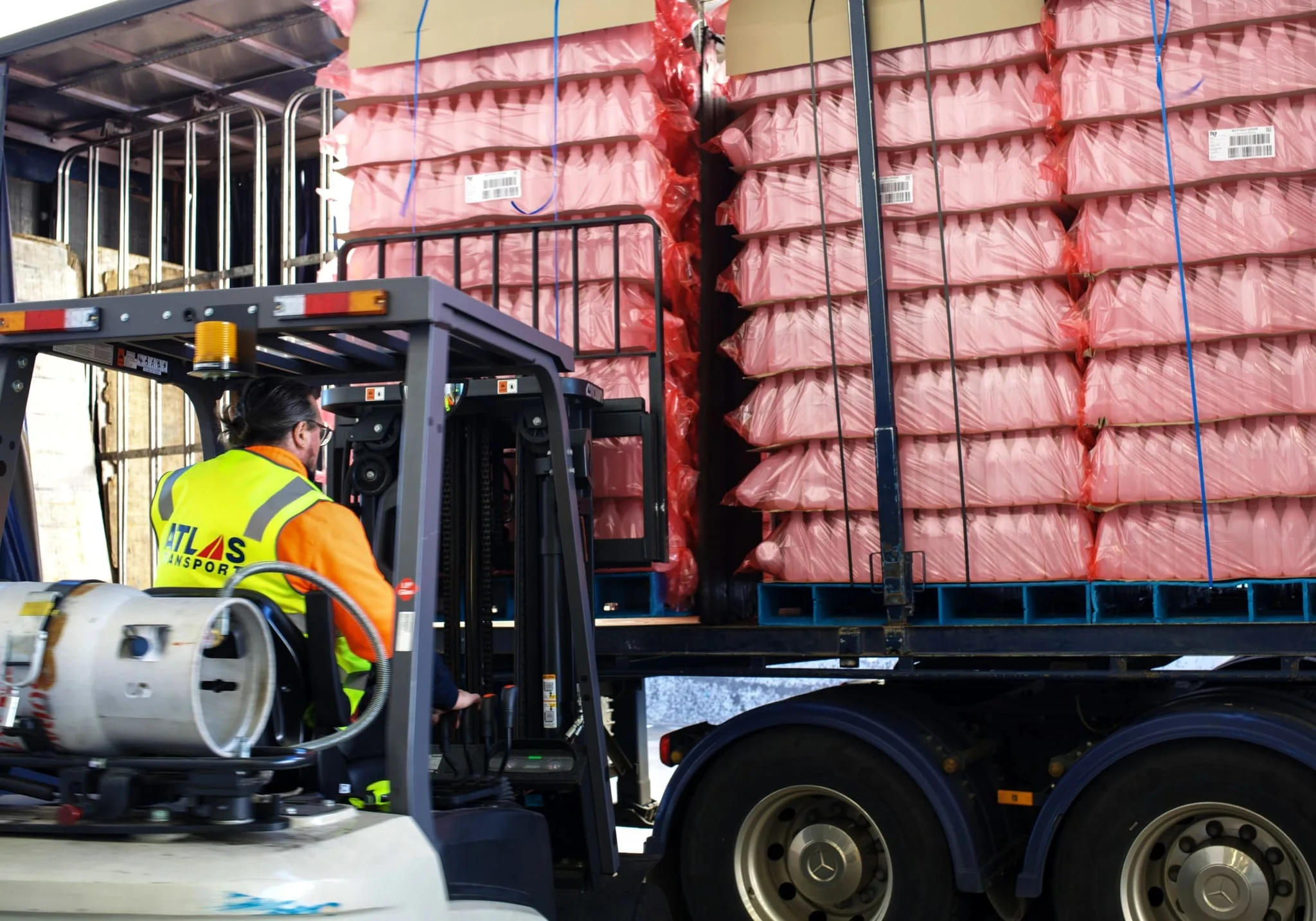
Urgent orders often fail because stock is available but hard to reach. It may be buried in overflow storage, split across locations, or sitting in a bulk area that slows down every pick.
That is a layout problem, not a staff problem.
The Quick Win (Low/No Cost):
Review the last 30 days of order data and identify your fastest-moving SKUs. Move the top 20 closer to the packing bench or dispatch path.
Use simple visual controls, including floor tape, shelf labels, bay markers, and coloured cartons for priority freight. These small changes reduce walking time and help staff spot urgent work faster.
The Strategic Fix:
Shift from storage-first thinking to fulfilment-first thinking. In a storage-first warehouse, goods are placed wherever there is room. In a fulfilment-first warehouse, stock is positioned based on order frequency, handling needs, and dispatch urgency.
A well-run 3PL warehouse should help structure storage around movement, not just space.
Fix Stock Accuracy Before It Reaches the Packing Bench
Urgent fulfilment depends on trust. If your system says stock is available but the warehouse cannot find it, the order stops moving. Staff start searching, customer service waits for updates, and transport bookings may need to change.
One stock error can delay the whole chain.
The Quick Win (Low/No Cost):
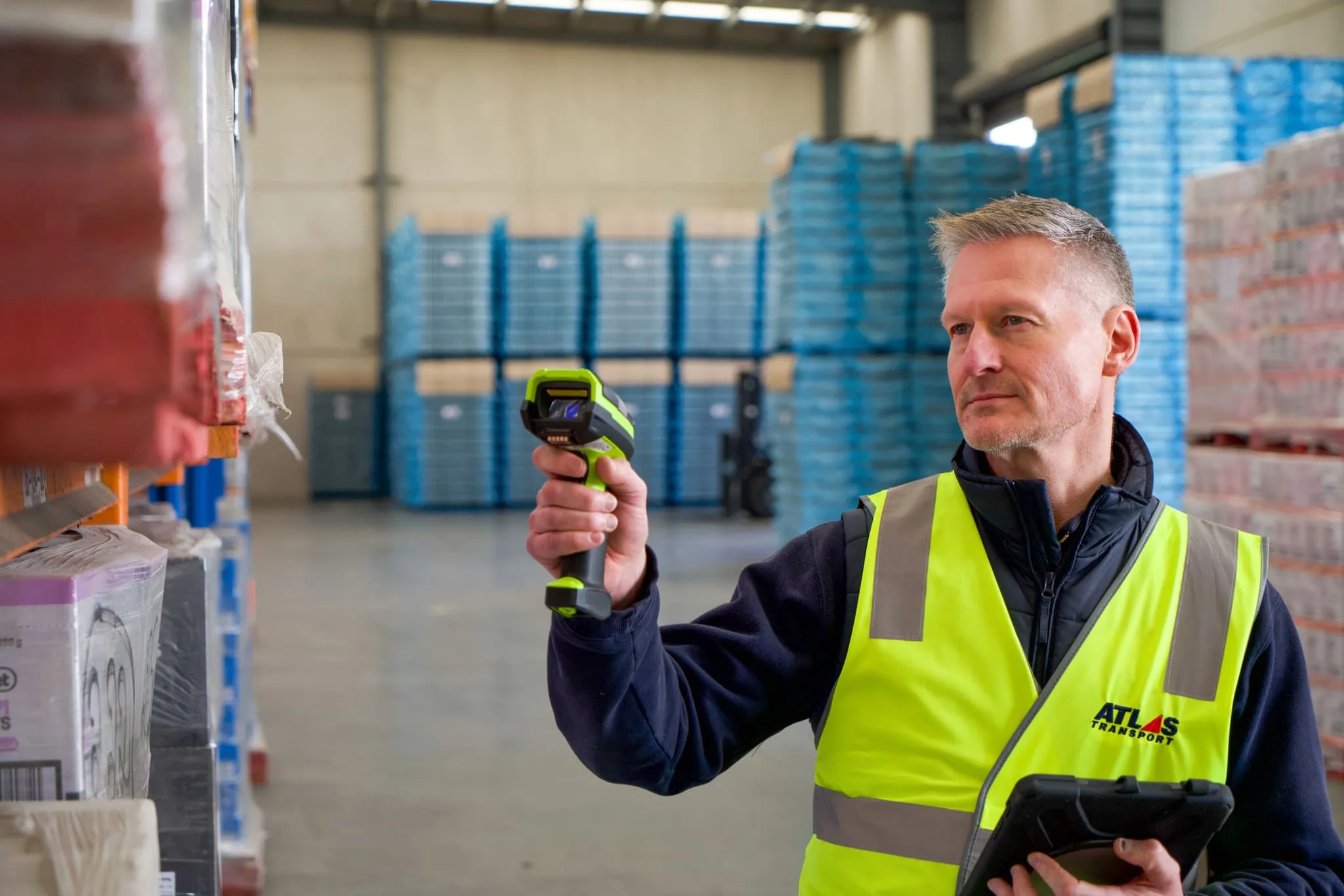
Run micro cycle counts on the SKUs most likely to cause urgent order issues. Focus on fast-moving items, promotional stock, high-value products, returned goods, and stock stored in more than one location.
Keep damaged, returned, or quarantined stock out of available inventory so your team does not promise stock that cannot be shipped.
The Strategic Fix:
Improve inventory visibility across the fulfilment process. Your team should know what is available, where it is stored, what has been picked, and what is ready to leave.
For businesses managing ecommerce, wholesale, retail, and distributor orders at the same time, manual checks quickly become too slow. Flexible 3PL logistics can help by giving businesses stronger stock tracking, fulfilment reporting, and clearer dispatch visibility.
Align Dispatch Promises With Freight Reality
Many urgent orders are picked on time but still leave late. The warehouse did its job, but the freight plan never matched the promise made to the customer.
This usually happens when dispatch cut-offs are unclear or when every delivery type is treated the same.
The Quick Win (Low/No Cost):
Set different cut-offs for different freight types. Metro deliveries, regional freight, interstate freight, same-day dispatch, pallet freight, and carton freight should not all follow the same rule.
Make those cut-offs visible to sales, customer service, warehouse, and transport teams. This reduces overpromising and gives customers more accurate expectations.
The Strategic Fix:
Build transport planning into your fulfillment model. Pre-book capacity during peak periods, create priority dispatch lanes, and confirm how urgent freight will move before the day becomes busy.
For businesses shipping across Australia, this matters. Metro, regional, and interstate deliveries carry different timing risks. A 3PL warehouse connected to reliable freight support can reduce the handover gap between picking and delivery.
Create Space Before Space Becomes the Problem
A warehouse does not need to be full to become slow. Once overflow stock blocks pick faces, aisles narrow, or dispatch areas become temporary storage zones, urgent orders lose speed.
The issue is not just capacity. It is friction.
The Quick Win (Low/No Cost):
Run a 30-day space friction review. Track every time staff need to move stock before they can pick, pack, receive, or dispatch.
Look for pallets moved twice, stock stored in walkways, slow-moving items taking prime space, or urgent orders delayed because stock is difficult to access.
The Strategic Fix:
Plan overflow storage before the next peak period. Move slow-moving, bulky, seasonal, or reserve stock away from prime pick and dispatch areas. Keep high-turnover stock close to the action.
Flexible warehousing solutions can give businesses extra space during high-stock periods without committing to permanent warehouse capacity they may not need all year.
Know When the Model Has Reached Its Limit
In-house fulfilment can work well when order volumes are stable and delivery areas are predictable. But growth changes the pressure. More SKUs, more sales channels, more delivery zones, and more urgent orders all add complexity.
At some point, the question is no longer whether your team can work harder. It is whether the model is still fit for the business.
The Quick Win (Low/No Cost):
Run a capacity ceiling audit. Count missed cut-offs, premium freight bookings, picking errors, overtime, customer delivery complaints, manual stock checks, and staff time spent chasing freight updates.
If these problems are increasing, your fulfillment setup may be at its limit.
The Strategic Fix:
Move the most pressured parts of the operation into scalable support. Many businesses start with 3PL support for overflow storage, peak period fulfilment, high-volume SKU handling, retail replenishment, or regional and interstate dispatch coordination.
This lets the business add capacity where it is needed most without losing control of the whole operation.
Stop Letting Urgent Orders Control Your Warehouse
Urgent orders will always happen. The goal is not to avoid them. The goal is to build a warehouse and dispatch process that can absorb them without disrupting everything else.
If your team has clear triage rules, accurate stock data, a speed-focused layout, realistic freight cut-offs, and planned overflow space, urgent orders become manageable.
At Atlas Transport, we support Australian businesses with flexible 3PL solutions built around practical planning, clear visibility, and reliable national support. With local care, national reach, and over 40 years of logistics experience, we help businesses manage storage, fulfilment, and distribution when demand changes quickly.
Are urgent orders, warehouse pressure, or dispatch delays starting to slow your business down?
Frequently Asked Questions
1. Can a 3PL warehouse handle urgent orders?
Yes. A 3PL warehouse can handle urgent orders when it has clear priority rules, accurate inventory data, organised pick zones, and reliable dispatch coordination.
2. What causes urgent orders to fail?
Urgent orders usually fail because of unclear triage, stock errors, poor warehouse layout, unrealistic dispatch promises, or limited transport capacity.
3. How do on-demand 3PL services help during busy periods?
On-demand 3PL services help businesses add storage, picking, packing, and dispatch support when internal teams are stretched.
4. What is the fastest way to improve urgent order handling?
Start with a clear, urgent order rule sheet, a priority pick zone for fast-moving stock, and micro cycle counts for high-risk SKUs.
5. When should a business consider flexible 3PL logistics?
Consider flexible 3PL logistics when urgent orders delay standard work, warehouse space is tight, freight admin increases, or overtime becomes routine.
Author

Dan Hill
Client Success Lead and Supply Chain Strategist at Atlas Transport
Dedicated to managing delivery expectations and reducing supply chain friction, Dan partners with Australian businesses to unravel logistics complexity and build transparent, highly reliable freight solutions.
With a focus on 3PL partnerships, supply chain consolidation, and scalable operations, he also helps businesses transition from fixed infrastructure to highly efficient, growth-ready logistics models.