What Is On-Demand Transport and When Does Your Business Need It?
June 29, 2026
- Blog
A delayed shipment doesn’t just affect freight.
It can halt production, leave shelves empty, delay customer orders, and create pressure across your entire operation. What starts as a transport issue can quickly become a business problem.
Yet many businesses only think about transport flexibility once a disruption has already occurred.
The most resilient supply chains don’t simply react to problems. They build flexibility into their logistics strategy before those problems arise. That’s where on-demand transport can play an important role.
Whether you’re managing inventory across multiple locations, supporting time-sensitive projects, or navigating fluctuating customer demand, access to responsive freight services can help keep your business moving when plans change.
Key Points
- On-demand transport provides flexible freight capacity when standard schedules cannot meet business requirements.
- Delayed freight often creates operational costs that exceed transport costs.
- Businesses can identify logistics risks before they become major disruptions.
- Combining scheduled freight with flexible transport solutions improves resilience.
- The right logistics partner should offer planning support, visibility, and reliable execution.
Most Businesses Don’t Need On-Demand Transport, Until They Do
For many organisations, scheduled freight handles the majority of day-to-day transport requirements.
The challenge arises when something unexpected happens.
A supplier misses a delivery window. A customer places an urgent order. A production line is waiting on critical materials. Stock levels drop faster than forecast.
In these situations, waiting for the next scheduled freight run may not be practical.
On-demand transport provides access to freight capacity when timing becomes critical. Rather than replacing scheduled freight, it complements existing logistics arrangements by providing flexibility when circumstances change.
For businesses operating in fast-moving industries, that flexibility can help minimise disruption and maintain operational continuity.

1. Stock Shortages Are Becoming More Frequent
Inventory shortages often create a ripple effect throughout the business.
Customer orders may be delayed, sales opportunities can be lost, and operational teams are forced into reactive decision-making. Over time, recurring stock shortages can also affect customer confidence and forecasting accuracy.
The Quick Win (Low/No Cost)
Review your most common stockout items over the past six months.
Look for patterns. Are delays linked to supplier lead times, inventory planning, purchasing processes, or freight availability? Many businesses already have the information needed to identify recurring bottlenecks.
The Strategic Fix
Build greater flexibility into your replenishment strategy.
Access to on-demand logistics allows critical inventory to be moved quickly when shortages arise, helping reduce the impact on customers and operations.
2. Production Downtime Is Costing More Than Freight
For manufacturers, construction companies, and industrial operations, downtime can become expensive very quickly.
A delayed component, missing material, or unavailable piece of equipment can disrupt schedules, delay projects, and affect productivity across multiple teams.
The Quick Win (Low/No Cost)
Calculate the true cost of one hour of downtime.
Include labour, equipment utilisation, contractor costs, production output, delivery commitments, and project delays. Many businesses focus only on direct labour costs and underestimate the broader operational impact.
The Strategic Fix
Develop contingency plans for critical freight movements.
Having access to responsive transport support means essential materials and components can be moved quickly when delays threaten production schedules.
3. Customer Expectations Are Outpacing Your Delivery Network
Customer expectations continue to evolve across many industries.
Faster turnaround times, shorter lead times, and greater responsiveness are increasingly expected, particularly in competitive markets.
Businesses relying solely on fixed freight schedules can struggle to accommodate urgent requests without disrupting existing operations.
The Quick Win (Low/No Cost)
Review customer complaints, urgent delivery requests, and delayed orders from the previous quarter.
Patterns often emerge quickly and can highlight where logistics arrangements are placing pressure on service delivery.
The Strategic Fix
Create a transport strategy that combines scheduled freight with flexible delivery options.
This approach provides greater responsiveness while maintaining the efficiency of planned freight movements.
4. Demand Peaks Are Stretching Existing Capacity
Seasonal demand increases, major projects, promotional campaigns, and growth periods can place significant pressure on transport resources.
The challenge is that these peaks are often temporary. Investing in permanent capacity for short-term demand increases is not always practical.
The Quick Win (Low/No Cost)
Review historical freight volumes and identify recurring demand peaks.
Understanding when capacity pressure occurs allows businesses to prepare rather than react.
The Strategic Fix
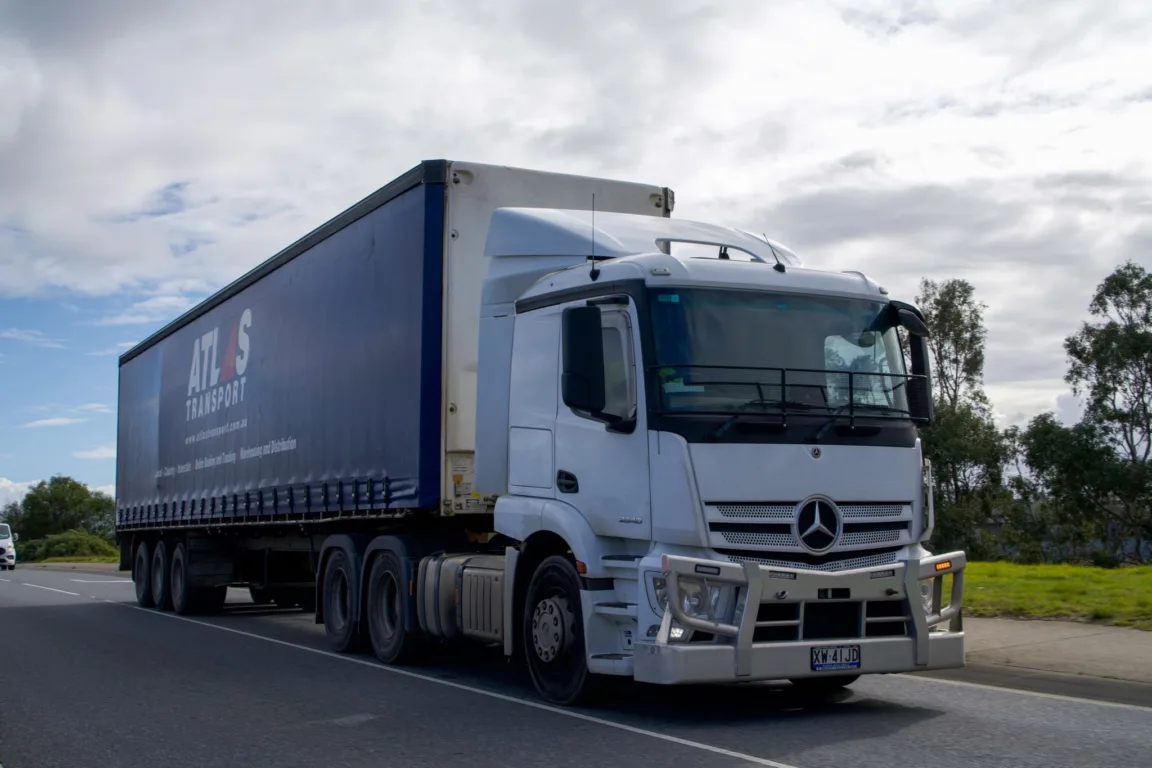
Work with a transport provider that can scale capacity as requirements change.
On-demand transport Australia services can provide additional fleet support during busy periods without increasing long-term overheads.
5. Your Supply Chain Extends Beyond One State
As businesses grow, freight networks often become more complex.
Products may move between warehouses, suppliers, project sites, retail locations, and customers across multiple states. Delays in one part of the network can affect operations elsewhere.
The Quick Win (Low/No Cost)
Map your most important freight routes and identify where delays occur most frequently.
Understanding network vulnerabilities is often the first step towards improving supply chain resilience.
The Strategic Fix
Access to on-demand interstate freight services provides additional flexibility when scheduled transport cannot meet changing requirements or unexpected disruptions arise.
The Hidden Cost of Waiting for the Next Freight Run
Transport costs are easy to measure.
The cost of disruption is often harder to see.
When freight is delayed, businesses may experience:
- Production downtime
- Missed project milestones
- Idle labour costs
- Delayed customer deliveries
- Reduced inventory availability
- Increased administrative workload
- Lost revenue opportunities
The most effective logistics decisions are rarely based on transport costs alone.
High-performing businesses assess the total operational impact of delays and build transport strategies that support continuity when challenges arise.
What to Look for in an On-Demand Logistics Provider
Not all on-demand logistics companies offer the same level of support.
When evaluating providers, consider whether they offer:
- Same-day dispatch capability
- Flexible fleet capacity
- Metro and regional coverage
- Real-time freight visibility
- Proof of delivery reporting
- Proactive communication
- Planning and problem-solving support
The strongest logistics providers do more than move freight. They help businesses reduce risk, improve planning, and maintain confidence across their supply chain.
Need More Flexibility in Your Freight Operations?
On-demand transport isn’t just about responding to urgent deliveries. It’s about building a more resilient supply chain that can adapt when demand changes, schedules shift, or unexpected challenges arise.
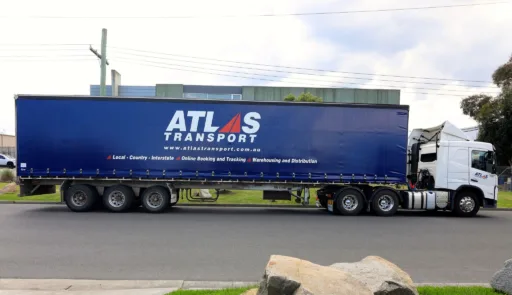
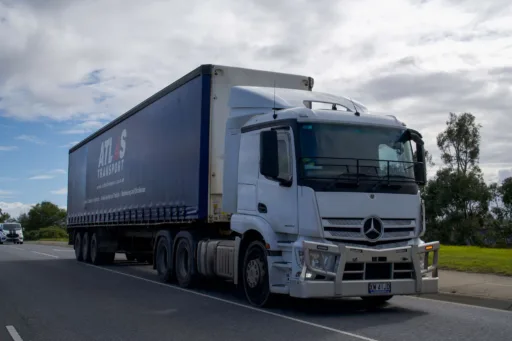
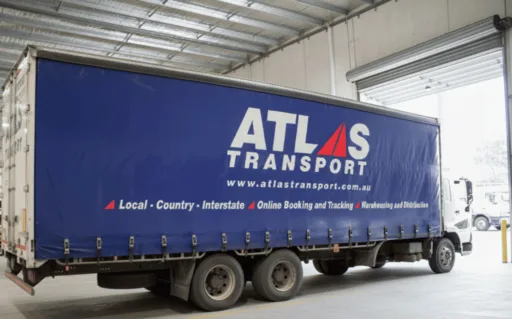
At Atlas Transport, we support Australian businesses with flexible logistics solutions designed to keep operations moving when demand changes. Backed by same-day dispatch capability, a scalable fleet, and nationwide coverage, we combine practical planning, clear visibility, and reliable support to help businesses move forward with confidence.
Are you experiencing transport delays, urgent freight requests, or fluctuating demand are starting to put pressure on your operations?
Frequently Asked Questions
1. What is on-demand transport?
On-demand transport is a freight service that provides flexible transport capacity when businesses need it. Unlike scheduled freight, it allows organisations to arrange deliveries in response to changing operational requirements, urgent shipments, or unexpected disruptions.
2. How does on-demand transport differ from scheduled freight?
Scheduled freight operates on fixed collection and delivery schedules. On-demand transport provides additional flexibility, allowing freight to be dispatched when timing is critical or when existing schedules cannot meet business requirements.
3. When should a business use on-demand logistics?
Businesses commonly use on-demand logistics when dealing with stock shortages, production delays, urgent customer deliveries, seasonal demand peaks, or time-sensitive interstate freight requirements.
4. Is on-demand interstate freight available across Australia?
Yes. Many logistics providers offer on-demand interstate freight services that support freight movements between metropolitan and regional locations across Australia, helping businesses respond to changing operational needs.
5. What should businesses look for in an on-demand logistics provider?
Key considerations include fleet flexibility, same-day dispatch capability, geographic coverage, visibility tools, communication standards, and the provider’s ability to support long-term logistics planning rather than simply arranging transport.
Author

Rob Crawford
General Operations Manager at Atlas Transport With a focus on warehousing, storage layouts, and facility efficiency, Rob helps Australian businesses implement highly accurate inventory tracking and streamlined, delay-free dispatch operations.