What Does 3PL Actually Cover? A Plain-English Guide
August 28, 2026
- Blog

A business rings around for a storage quote.
One provider talks about pallet spaces. Another explains pick rates and dispatch windows. A third asks how many SKUs need managing.
They are not all quoting the same thing, even though every one of them uses the same three letters.
The businesses that avoid a mismatched contract ask what a 3PL actually covers before they compare a single quote. That’s the difference between a warehouse with a nicer name and a genuine third-party logistics partner.
Key Points
- A 3PL provider never takes ownership of your goods, which is what separates it from a straight purchase or lease arrangement.
- The term bundles several functions together: storage, inventory control, order fulfilment, and freight coordination.
- It sits at a specific point on a wider spectrum of outsourcing, usually described as 1PL through 4PL.
- The usual trigger for considering one isn’t size. It’s freight volume and complexity-outgrowing what an internal team can manage well.
- Pricing is built from three core fees: storage, receiving, and pick and pack. Getting a provider to quote each one separately makes comparisons far easier.
Why the Terms Get Confused
Freight, warehousing, and logistics get used as if they mean the same thing, and most of the time nobody stops to check. A warehouse stores goods. A freight company moves them. Neither one, on its own, is what a 3PL provider is, and mixing the three up is how a business ends up comparing two quotes that look similar on paper but cover completely different work.
The confusion runs deeper once the wider spectrum behind the term comes into play. 1PL is doing everything yourself. 2PL is paying a carrier to move goods while you handle the rest. A 3PL brings storage, fulfilment, and freight together under one partner. A 4PL sits a step above that again, coordinating strategy across multiple providers rather than physically handling goods itself. Getting the definition right before those conversations start avoids a mismatch that only shows up after the contract is signed.
Know What a 3PL Provider Actually Does Day to Day
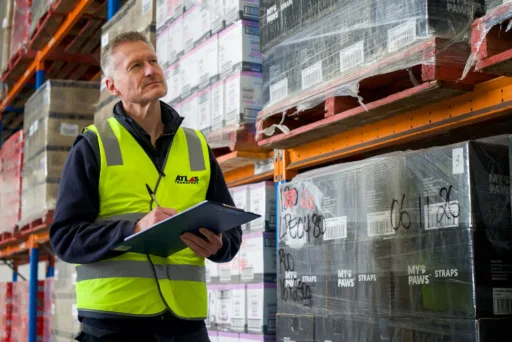
Once the goods arrive at a 3PL, a defined sequence of work starts, and it’s worth knowing what that includes before assuming it’s just storage.
The Quick Win (Low/No Cost)
List every logistics task currently handled inside your business: receiving stock, storing it, picking orders, packing them, booking freight, tracking deliveries. Mark which tasks are genuinely core to what your business does, and which exist purely to support it.
The Strategic Fix
The second half of that list is typically what a 3PL solutions provider absorbs: inventory control, order picking and packing, dispatch coordination, and real-time tracking so a business can see exactly where its stock is without chasing anyone for an update. The goal isn’t to hand over the business. It’s to hand over the parts that were never the reason the business existed in the first place.
Know What Drives 3PL Pricing
Most businesses go into their first conversation with a 3PL logistics provider with no reference point, which makes it hard to tell a fair quote from an inflated one.
The Quick Win (Low/No Cost)
Ask any provider to break their quote into three separate lines: storage, receiving, and pick and pack. Weigh that total against what the same work currently costs you in rent, staff time, and equipment.
The Strategic Fix
Rates vary by location, warehouse type, and handling requirements, so a written quote beats a headline number every time. Outsourcing tends to make more financial sense once order volume and complexity reach a point where they’d otherwise need dedicated staff and space to manage internally. Ask for the full fee schedule too. Returns processing, account setup, and peak-season surcharges are common extras that rarely show up in the first quote.
Signs Your Business Might Be Ready
A few patterns tend to show up before a business seriously considers this model:
- Order volume and complexity have grown to the point where managing them internally would need dedicated staff and space
- A warehouse lease has turned into a fixed cost that doesn’t flex with demand
- Seasonal spikes are creating short-term storage or staffing pressure
- Expansion into new states is raising questions about where stock should actually sit
None of these mean a business has to make a decision today. They’re simply the signals worth watching before pricing starts to feel reactive instead of planned.
Getting the Definition Right
None of this comes down to one factor. It comes down to knowing what you’re actually asking for before a provider starts quoting. Getting the definition straight first means every conversation after that compares the same service, not two different ones dressed up in the same three letters.
Want to talk through what a 3PL arrangement would actually look like for your operation? Let’s have a chat.

Frequently Asked Questions
1. Is 3PL the same as a warehouse?
No. A warehouse only stores goods. A 3PL typically combines storage with inventory management, order fulfilment, and freight coordination, all under one arrangement.
2. What’s the difference between 3PL and 4PL?
A 3PL physically handles goods through storage, fulfilment, and transport. A 4PL sits above that, coordinating strategy and multiple providers without necessarily touching the goods itself.
3. Does using a 3PL mean losing control of my stock?
No. Ownership of the goods stays with your business the entire time. The 3PL manages the physical handling and reporting, while decisions about that stock remain yours.
4. What industries in Australia typically use 3PL?
Retail, manufacturing, construction, and automotive businesses are among the most common users, particularly once freight volumes or storage needs outgrow what’s manageable in-house.
5. How is 3PL pricing usually structured?
Most providers charge three core fees: storage, receiving, and pick and pack, with rates varying by location, warehouse type, and product handling needs. Ask for a written quote broken into these three lines, plus a full fee schedule, since extras like returns processing and peak-season surcharges are often billed separately.
Author

Dan Hill
Client Success Lead and Supply Chain Strategist at Atlas Transport
Dedicated to managing delivery expectations and reducing supply chain friction, Dan partners with Australian businesses to unravel logistics complexity and build transparent, highly reliable freight solutions.
With a focus on 3PL partnerships, supply chain consolidation, and scalable operations, he also helps businesses transition from fixed infrastructure to highly efficient, growth-ready logistics models.