Your Complete Guide to Logistics: Answers to the Questions Every Business Asks
April 21, 2026
- Blog
Australian businesses rely on reliable freight transport to keep materials moving, shelves stocked, and projects on schedule. Yet terms like logistics, transport, and 3PL are often used interchangeably, which can make planning your supply chain harder than it needs to be.
If you are managing complex supply chains, interstate deliveries, or growing freight volumes, understanding how the mechanics of logistics actually work helps you make better decisions, control costs, and avoid costly delays.
This guide answers the most common logistics questions businesses ask. It is designed to give you clear explanations, practical context, and actionable strategies so you can choose the right support for your operations.
Key Takeaways
- Terminology Matters: Freight is the what, transport is the how, and logistics is the strategy.
- Beyond A to B: Modern logistics includes scalable warehousing, 3PL support, and precise last-mile delivery.
- Cost Drivers: Freight pricing isn’t just about distance; exact weights, dimensions, and urgency play massive roles.
- Avoiding Delays: Proactive site checks and API-driven visibility are the fastest ways to cut down interstate delays.
- Strategic Partnerships: Choose a logistics provider based on industry experience and scalability, not just the lowest initial quote.
The Difference Between Transport, Freight, and Logistics
Before diving into strategy, it helps to clarify the terminology, as using these interchangeably can lead to miscommunication with providers.
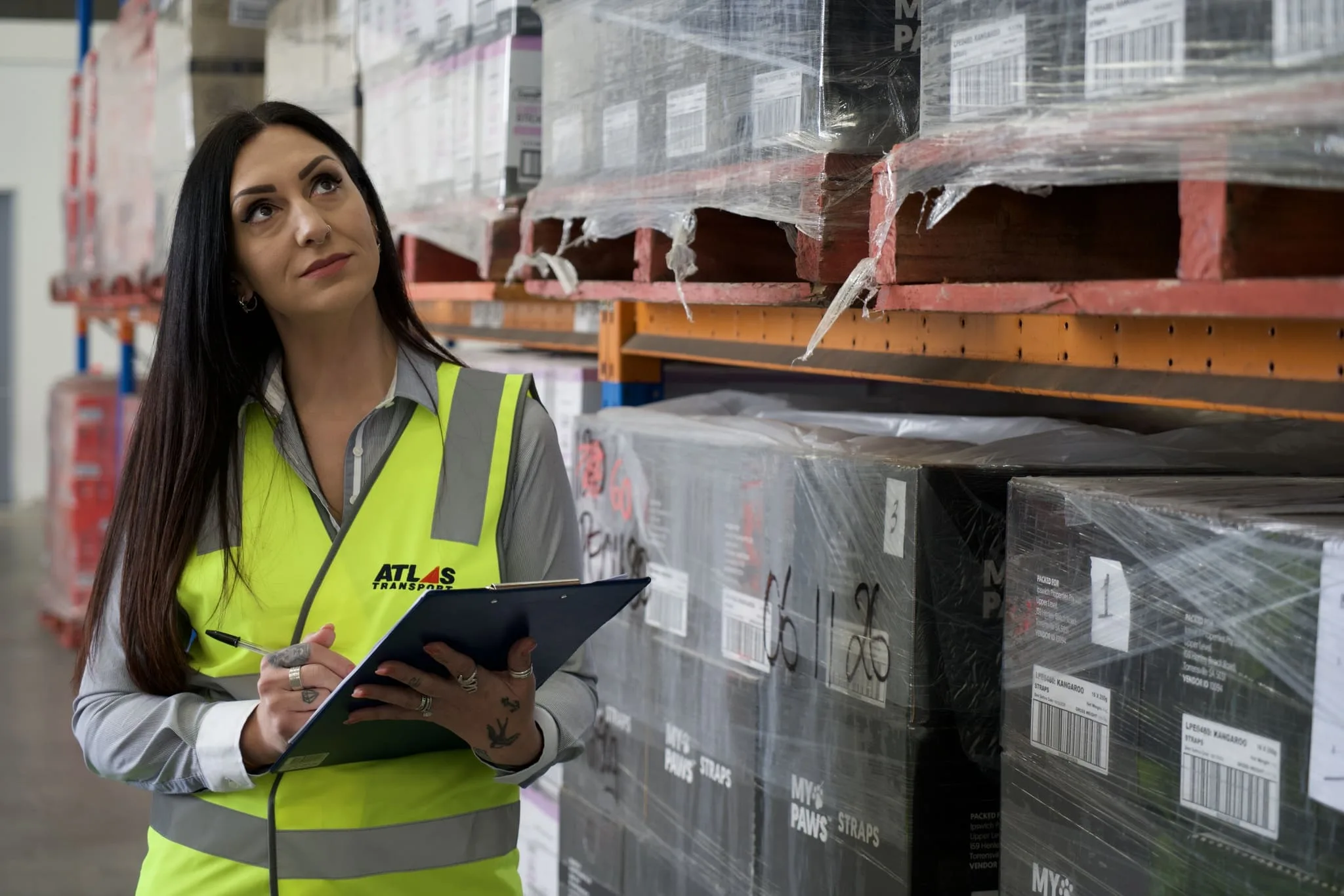
- Freight describes the what: the physical goods being moved, including their size, weight, and specific handling requirements (like pallets, oversized loads, or fragile items).
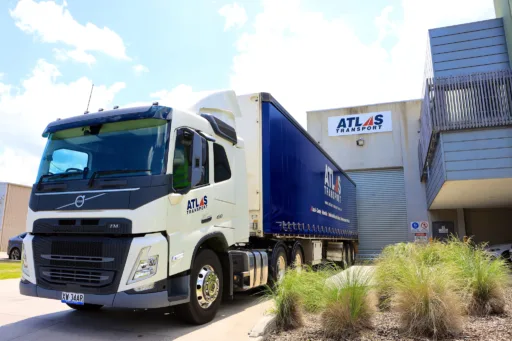
- Transport refers to the how: the physical act of moving those goods using vehicles, drivers, and road networks.
- Logistics covers the strategy: the overarching planning, coordination, storage, inventory tracking, and delivery orchestration that connects transport and freight into a functional system.
What Does Logistics Actually Include? (Beyond Moving A to B)
A mature logistics operation is a network of moving parts. Here is a breakdown of the core components and when your business might need to leverage them.
Freight Transport
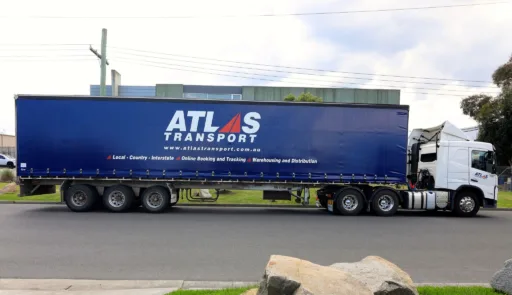
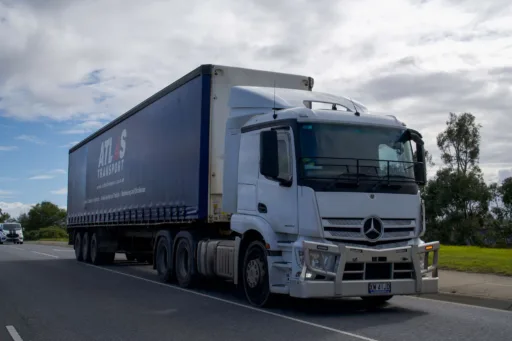
This focuses on the physical movement of goods across metro and regional areas. Reliable freight transport keeps production lines moving and ensures customers receive goods on time.
- When to focus here: If you already have your own large warehouse facility but need reliable vehicles to move full truckloads or less-than-truckload (LTL) pallets across the state or country.
Warehousing
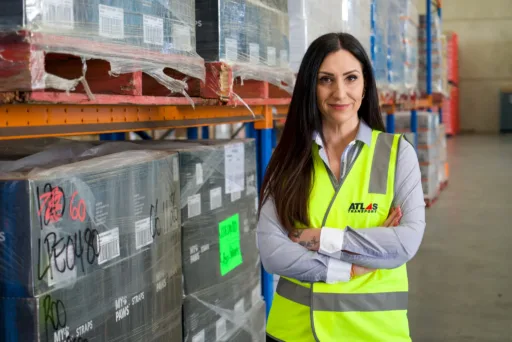
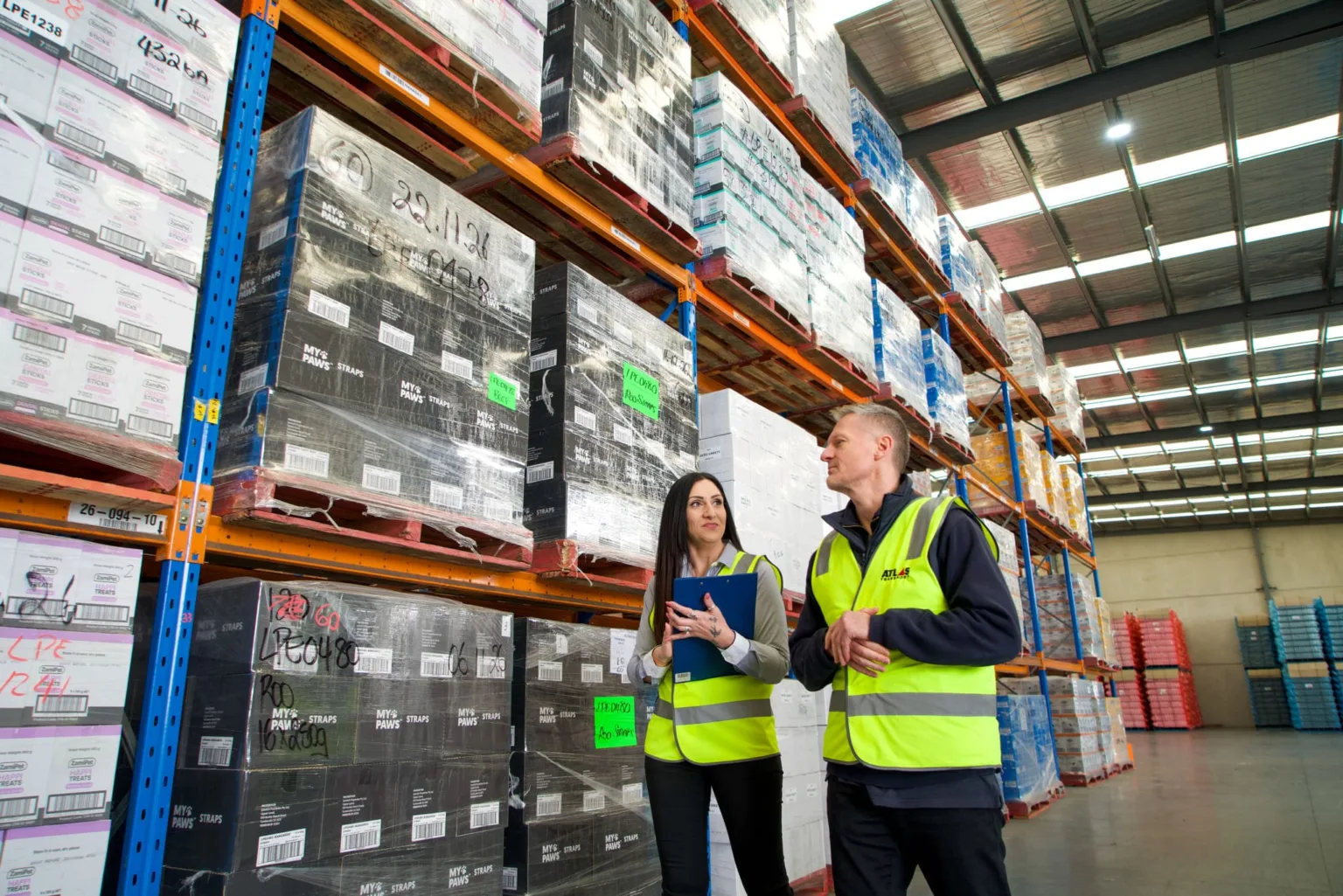
Warehousing supports freight by providing secure storage, inventory control, and distribution. It allows businesses to manage stock levels proactively rather than reactively.
- When to focus here: When your retail, construction, or manufacturing operation is running out of physical footprint, or when you need to stage goods closer to your end customers to speed up delivery times.
3PL (Third-Party Logistics)
A 3PL logistics company manages part or all of your logistics function, encompassing warehousing, inventory management, order fulfilment, and transport coordination.
- When to focus here: When your freight volumes are growing faster than your internal team can manage, or when you want to shift fixed infrastructure costs (like leasing your own warehouse) into variable costs.
Business Relocation
This covers moving an entire operation, including offices, warehouses, plant and sensitive equipment, without stalling day-to-day trade. A planned business relocation sequences packing, transport and reinstallation so critical functions come back online first.
- When to focus here: When you are changing premises, consolidating sites, or moving equipment that cannot go on a standard pallet.
Last-Mile Delivery
This covers the final, most complex stage of transport—delivering to retail stores, active construction sites, or end-consumer locations.
- When to focus here: When your customers are highly sensitive to delivery timing, access is difficult, or accuracy is critical to avoiding site disruptions.
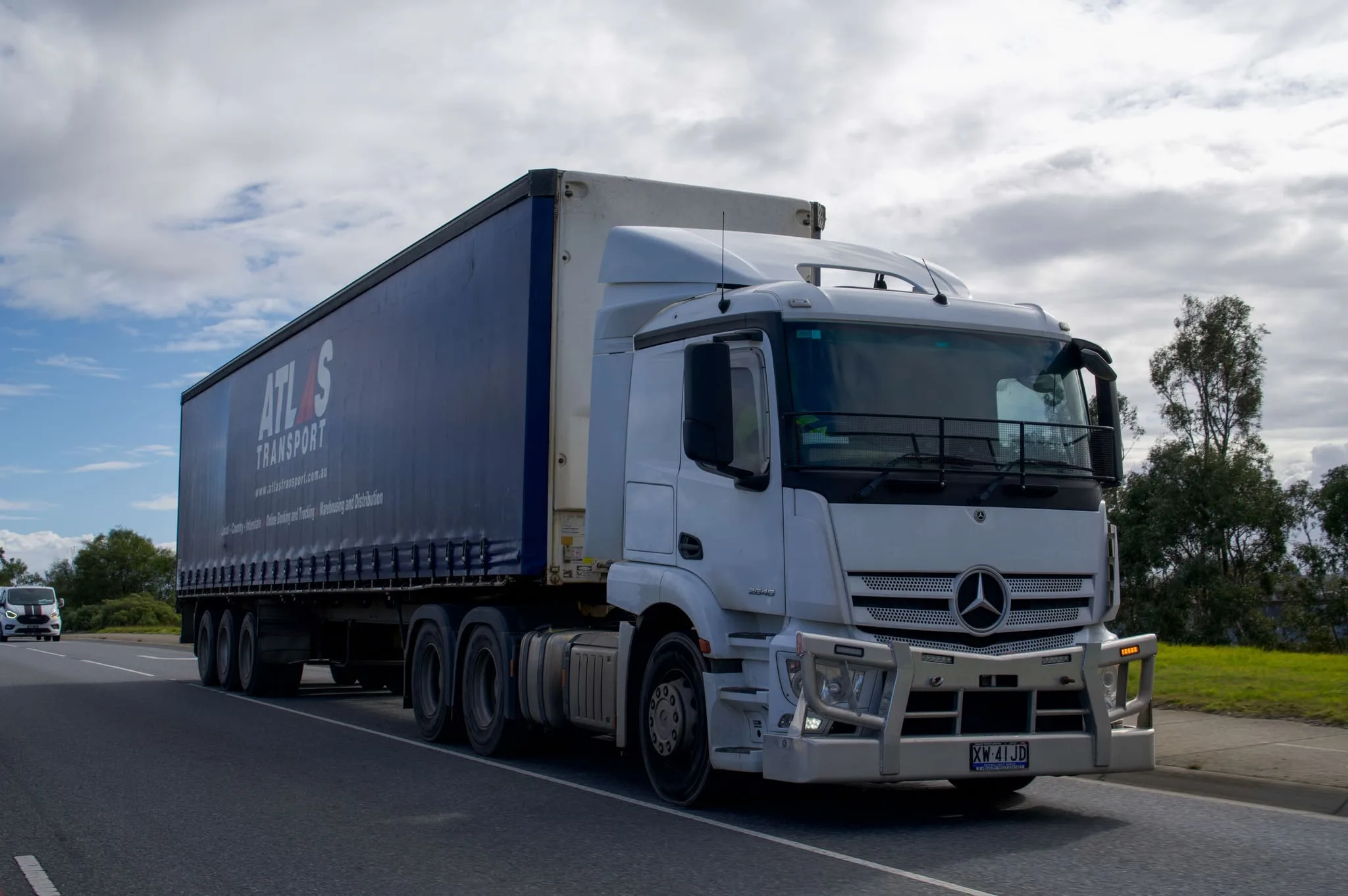
What Actually Drives Your Freight Pricing and Delivery Timelines?
Freight pricing and timelines depend on a mix of operational factors. Distance and route complexity influence fuel use and driver hours, but they aren’t the only variables.
The Quick Win (Low/No Cost):
- Declare Exact Weights and Dimensions: The fastest way to blow out your freight budget and timeline is by guessing pallet weights. If a truck arrives and the freight is heavier or larger than booked, you will face “futile trip” charges, re-weigh fees, and immediate dispatch delays. Invest in an accurate warehouse scale and mandate its use.
The Long-Term Fix:
- Analyse Your Delivery Urgency: Not everything needs to be express. By analysing your historical data, you can separate “urgent” freight from “scheduled” freight. Shifting non-urgent stock to standard linehaul schedules allows logistics providers to consolidate your freight, significantly reducing your overall transport costs.
Navigating Interstate Transport and Avoiding Delays
Interstate transport in Australia involves moving freight across state borders using planned linehaul routes. Even well-planned movements can face delays due to weather, road conditions, or peak demand periods.
The Quick Win (Low/No Cost):
- Verify Site Access Before Booking: A massive cause of delays is a truck arriving at a destination (like a construction site or a regional store) only to find there is no forklift available, or the rigid truck is too large for the loading dock. Create a mandatory “Receiver Checklist” to confirm access conditions before a booking is ever finalised.
The Long-Term Fix:
- Demand API Visibility: Working with a logistics partner that offers API integration means your sales and customer service teams can see real-time tracking data without having to call the warehouse or the driver. This reduces internal bottlenecks and helps you manage customer expectations proactively.
How to Choose the Right Logistics Partner
Choosing a logistics provider is a strategic partnership, not just a procurement exercise. When evaluating partners, look beyond the initial quote and assess:
- Industry Experience: Do they understand the specific pressures, site conditions, and compliance needs of your sector (e.g., manufacturing vs. retail)?
- National Coverage vs. Regional Reach: Can they support interstate pick-ups while still navigating regional last-mile deliveries effectively?
- Scalability: Can they adapt to your seasonal demand spikes without their service levels dropping?
Stop Guessing and Start Optimising Your Supply Chain
Reliable logistics keeps your business moving, even when freight volumes grow or delivery schedules tighten. The right support gives you clearer timelines, fewer disruptions, and confidence that your freight is handled properly.
If you are reviewing your current freight setup, planning complex interstate movements, or considering moving to a 3PL model, Atlas Transport works with businesses across Australia to plan smarter freight movements, reduce delays, and scale logistics without unnecessary complexity.
Need help unravelling your supply chain?
Frequently Asked Questions
1. What is road freight transport best suited for?
Road freight transport suits most domestic freight across Australia, especially for palletised goods, equipment, and time-sensitive deliveries. It offers flexibility across metro and regional routes and supports direct-to-site delivery.
2. When should a business use a 3PL logistics company?
Businesses often use a 3PL provider when freight volumes grow, locations increase, or internal resources become stretched. It helps manage complexity without the need to expand in-house teams or lease new facilities.
3. How far in advance should interstate freight be booked?
Interstate freight should be booked as early as possible, particularly during peak periods (like the lead-up to Christmas or end of financial year). Early booking secures capacity, improves scheduling options, and mitigates the risk of delays.
4. What information is needed for an accurate freight quote?
Accurate quotes require precise freight dimensions (L x W x H), total weight, specific pickup and delivery locations (including any access restrictions), and required delivery timeframes.
5. How can businesses reduce delivery delays?
Planning ahead, providing hyper-accurate booking information, verifying receiver site access, and choosing a logistics partner with real-time tracking technology all drastically reduce the risk of delays.
Author

Dan Hill
Client Success Lead and Supply Chain Strategist at Atlas Transport
Dedicated to managing delivery expectations and reducing supply chain friction, Dan partners with Australian businesses to unravel logistics complexity and build transparent, highly reliable freight solutions.
With a focus on 3PL partnerships, supply chain consolidation, and scalable operations, he also helps businesses transition from fixed infrastructure to highly efficient, growth-ready logistics models.