What Drives the Cost of Outsourcing to a 3PL
September 30, 2026
- Blog

Ask three 3PL providers for a quote, and you’ll often get three numbers that don’t line up, let alone match what you’re actually storing and shipping. That’s not because one is overcharging. It’s because 3PL pricing is built from several moving parts, and most quotes don’t show which parts you’re looking at.
Once you know those parts, comparing providers gets easier, and so does spotting a quote dressed up to look cheaper than it is.
Key Takeaways
- 3PL pricing is rarely one flat fee. It’s usually a blend of storage, activity fees, and freight.
- How storage is measured, per pallet, cubic foot, or bin, can shift your total cost on identical stock.
- Order volume affects your rate, but how it affects it varies between providers.
- Contract terms, not the headline rate, usually decide what you pay over a year.
- A quote you can’t break into components is a quote you can’t properly compare.
How 3PL Pricing Is Actually Structured
Most 3PL pricing blends a storage fee, activity fees for receiving and fulfilment, and freight to move goods on. Some providers bundle these into one line item. Others itemise everything.
Picture the first invoice from a new provider: a storage line, a handling line, a freight line, and a system fee nobody mentioned. Each one grows for a different reason. Storage grows with how much you hold and for how long. Activity fees grow with how often stock moves. Freight grows with distance, weight, and speed. A bundled rate hides which one is driving your bill. An itemised one shows it, but only if you know what each line means.
The Quick Win (Low/No Cost):
Ask each provider to break their number into storage, receiving, pick and pack, and freight. A single combined figure usually means the quote wasn’t built around your stock.
The Strategic Fix:
- Hand over your own numbers, pallets stored, orders per month, average units per order, and ask providers to price against that data instead of a generic rate card.
- Check whether the model is cost-plus, labour and overhead plus a margin. It works well when every component is disclosed, and poorly when it isn’t.
What Actually Determines Your Storage Rate
Storage is usually priced by pallet, cubic metre, or bin, and the method matters more than the rate on the page.
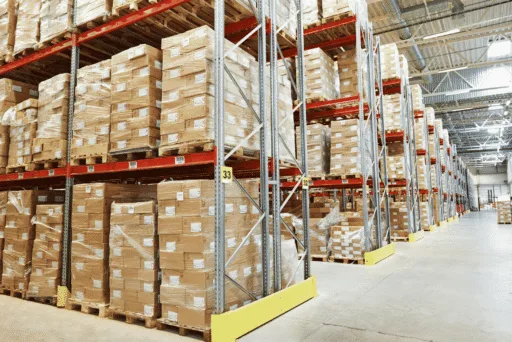
Think of a warehouse manager walking the racking at month-end. Some pallets are full. Others hold a single leftover carton. A per-pallet rate charges for every position either way, like paying for a parking bay whether you park a ute or a hatchback. A cubic-foot rate charges for the space your stock actually fills, which usually suits mixed or irregular stock better. How occupancy is counted matters too. Peak, average, and one-day snapshots can give very different invoices on identical stock.
The Quick Win (Low/No Cost):
- Ask exactly how storage is measured, not just what the rate is.
- Ask whether part-filled pallets are consolidated before they’re counted.
The Strategic Fix:
- If your SKUs vary a lot in size, negotiate the measurement method itself, not just the rate attached to it.
- Look for a partner that matches the method to your stock profile, rather than defaulting to whichever suits its own invoicing
How Order Volume and Activity Fees Add Up
Receiving, picking, and packing fees are usually charged per pallet or per order, and they add up fast once volume climbs. Most providers structure these in tiers, so per-unit cost should fall as volume grows.
Two businesses can each send 800 orders a month and still pay very different handling bills. One ships single items. The other ships orders of three or four products, and every extra line means more picking. That’s why it pays to check whether pick and pack is charged per order, per line, or per unit. Tiers add another wrinkle. They’re usually measured month by month, so a quiet month can drop you into a more expensive bracket, and some agreements add a minimum monthly charge on top.
The Quick Win (Low/No Cost):
- Take last month’s order count and average lines per order, and ask providers to quote against those exact figures.
- Ask which volume bracket you sit in and how close you are to the next one.
The Strategic Fix:
- Ask what happens to your rate if volume drops for a quarter, not just when it grows.
- Treat one-way pricing, upside for growth but no flexibility for a quiet stretch, as a sign the provider is pricing for its own convenience.

Why Two Businesses With Similar Stock Can Pay Very Different Rates
Have you ever compared power bills with a neighbour in a similar house, using about the same electricity, and found they pay noticeably less? It happens, and the unit rate is rarely the reason. One plan has a daily supply charge; the other doesn’t. A sign-up discount quietly expired after twelve months. Another plan locks you in with an exit fee. Same usage, very different bill, because the cost sits around the headline rate.
3PL contracts work the same way. Swap the supply charge for a minimum volume clause, the expired discount for an automatic increase, and the plan term for a lock-in period. Two businesses holding near-identical inventory can land on very different invoices, and the gap usually sits in the contract, not the rate. Those clauses sit outside the headline number, and that’s where the real difference lives.
The Quick Win (Low/No Cost):
- Read the contract specifically for minimum storage commitments and the conditions that trigger a rate review.
- Watch for uncapped rate increases tied to inflation, fuel, or labour, a common way a low starting rate turns expensive within a year.
The Strategic Fix:
- Weigh contract flexibility as heavily as the rate itself.
- A slightly higher rate with room to scale up or down protects your margin better over a year than a low rate locked to rigid terms.
None of this makes 3PL pricing simple, but it makes it comparable once you know which parts to ask about. At Atlas Transport, our 3PL solutions are quoted against your actual stock and order data, not a generic rate card.
If you’d like a second set of eyes on a quote you’ve already got, let’s have a chat.
Frequently Asked Questions
1. Is outsourcing to a 3PL cheaper than running your own warehouse?
It depends on volume. Below a certain scale, the fixed cost of your own lease, staff, and equipment usually outweighs a 3PL’s rate, since a 3PL spreads overhead across many clients.
2. What’s a typical minimum contract length for 3PL pricing?
There’s no universal standard, but many providers work on twelve-month terms with review points built in. A scalable 3PL should explain what you trade off for a shorter one.
3. Do 3PL rates increase with inflation or fuel costs?
Often, yes, particularly under contracts with rate increase clauses tied to labour, fuel, or inflation. What matters is whether those increases are capped and disclosed upfront.
4. Can 3PL pricing actually be negotiated?
Yes, more often than businesses assume, especially around measurement method, minimum commitments, and rate review triggers. Providers are usually readier to negotiate structure than the base rate.
5. What hidden fees should you check for before signing?
Watch for minimum storage clauses billing for space you’re not using, out-of-scope handling charged hourly, and uncapped rate increases. An itemised rate card upfront avoids all three.
Author

Dan Hill
Client Success Lead and Supply Chain Strategist at Atlas Transport
Dedicated to managing delivery expectations and reducing supply chain friction, Dan partners with Australian businesses to unravel logistics complexity and build transparent, highly reliable freight solutions.
With a focus on 3PL partnerships, supply chain consolidation, and scalable operations, he also helps businesses transition from fixed infrastructure to highly efficient, growth-ready logistics models.