4 Storage and Freight Transport Mistakes That Slow Your Business Down
April 27, 2026
- Blog

Reliable freight transport and storage are the lifeblood of Australian businesses. But given the sheer scale of our continent, even minor inefficiencies in your supply chain can have a massive compounding effect. A delayed pallet in a warehouse can mean missing a crucial interstate linehaul connection, resulting in late deliveries, frustrated customers, and blown-out labour costs.
If your business is experiencing inconsistent delivery times or rising logistics expenses, the issue often lies in a few common, preventable bottlenecks. Here are the major storage and freight transport mistakes that slow businesses down—and how to fix them, starting with what you can do today.
Key Takeaways
- Storage Equals Speed: Clearing dispatch lanes and setting visual boundaries instantly reduces loading times and prevents dispatch delays.
- Visibility Beats Guesswork: Routine micro cycle counts and modern WMS integrations stop you from booking transport for missing stock.
- Realistic Route Planning: Enforcing strict dispatch cut-offs and factoring in real transit data protects your interstate linehaul schedules.
- Consolidate to Control: Reducing the number of logistics providers cuts down on miscommunication, lost paperwork, and handover errors.
Mistake #1: Chaotic Storage Layouts
Well-organised storage plays a direct role in how quickly freight moves through your operation. When warehouse layouts are disorganised, pickers spend too much time searching for stock, handling times increase, and dispatch schedules are inevitably delayed.
The Quick Win (Low/No Cost):
- Visual Boundaries: Buy a roll of high-vis floor tape and clearly mark out your staging and dispatch lanes. Institute a strict rule: no permanent storage goes inside the lines. This costs about $20 and instantly stops general warehouse clutter from bleeding into the areas where trucks need fast, seamless access.
The Long-Term Fix:
- Implement ABC Analysis: Group your inventory based on movement. ‘A’ items (fast-moving, high-demand stock) should be placed closest to the packing and dispatch areas. ‘C’ items (slow-moving) can be stored further back or higher up.
- Optimise Vertical Space: Ensure your racking systems are actually suited to your pallet profiles to avoid wasted warehouse footprint.

Mistake #2: Operating with Inventory Blind Spots
You can’t efficiently transport what you can’t accurately track. Relying on massive annual stocktakes leads to situations where stock is either unavailable when a truck arrives, or transport is booked for goods that aren’t actually ready to move.
The Quick Win (Low/No Cost):
- Daily Micro Cycle Counts: Instead of shutting down operations for a massive stocktake, have your team spend just 15 minutes each morning counting one specific aisle or your top 10 fastest-moving products. It costs nothing but time, and it catches discrepancies early—long before a truck arrives to collect stock that isn’t there.
The Long-Term Fix:
- Upgrade to a Modern WMS: A robust Warehouse Management System integrated with barcode scanning ensures your inventory numbers are accurate in real-time. Syncing this data directly with your transport planners eliminates waiting times and demurrage charges.
Mistake #3: Overly Optimistic Interstate Scheduling
Australia’s geography is unforgiving. Planning interstate freight routes based purely on best-case-scenario travel times is a recipe for missed deadlines. Traffic, weather events, and mandatory driver rest breaks all impact transit times.
The Quick Win (Low/No Cost):
- Strict Dispatch Cut-Offs: Establish a non-negotiable cut-off time for daily orders and communicate it clearly to sales and warehouse teams. Rushing last-minute orders is the number one reason trucks leave the depot late, which compounds delays across state borders. Lock the doors on late orders to protect the schedule.
The Long-Term Fix:
- Prioritise Real-Time Tracking: Utilise GPS and telematics to track freight in transit. Work with historical data to build realistic buffers into your transit times, and use real-time visibility to proactively notify receiving warehouses of any unavoidable delays on the road.

Mistake #4: The “Too Many Cooks” Approach to Logistics
Many businesses treat warehousing, local distribution, and interstate linehaul as completely separate functions, often using different providers for each step. Every time freight changes hands between different companies, the risk of miscommunication, delays, and lost paperwork increases.
The Quick Win (Low/No Cost):
- The Standardised Handover Sheet: Create a single, simple, one-page manifest or checklist that travels with the freight physically and digitally. Ensure it lists exact pallet weights, dimensions, and delivery constraints. This forces all third-party providers to work from the exact same set of facts, drastically cutting down miscommunication.
The Long-Term Fix:
Consolidate Your Supply Chain: The most consistent results come from reducing the number of handovers. By aligning warehousing, inventory tracking, and interstate transport under one consolidated strategy—or a single provider—you gain end-to-end control and a single point of accountability.
Stop Managing Pallets and Start Growing Your Business
Fixing these transport and storage disconnects takes time, expertise, and infrastructure. If you’d rather focus on growing your business instead of managing warehouse layouts and interstate schedules, partnering with an integrated logistics provider is the smartest move.
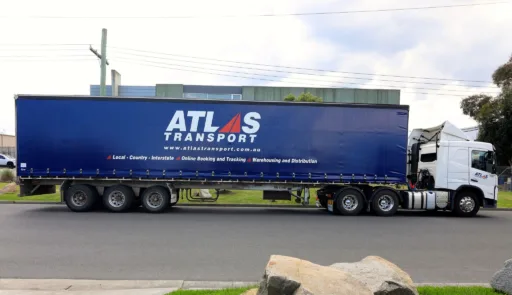
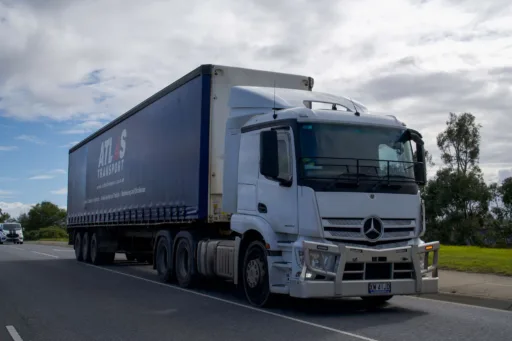
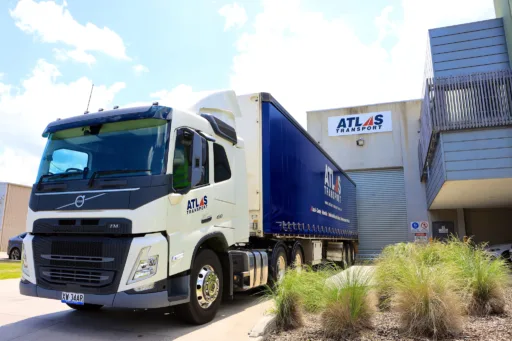
At Atlas Transport, we take the headache out of the process. By combining structured warehousing, real-time tracking, and reliable nationwide freight transport under one roof, we help Australian businesses keep their operations moving with consistency and control.
Need help streamlining your freight?
Frequently Asked Questions
1. How does organised storage directly improve freight efficiency?
Organised storage drastically reduces handling and picking time. By keeping fast-moving stock easily accessible and staging areas clear, freight is ready to be loaded the moment the truck arrives, preventing dispatch delays.
2. What makes interstate transport more reliable?
Reliability comes from proactive planning rather than reactive driving. It depends on route optimisation, realistic scheduling that accounts for Australian infrastructure and distances, and real-time tracking to manage any unavoidable delays.
3. When should a business consider third-party warehousing?
Third-party warehousing (3PL) is highly effective when your business experiences fluctuating seasonal demand, when you are running out of space in your current facility, or when you want to reduce fixed infrastructure costs while maintaining high service levels.
Author

Rob Crawford
General Operations Manager at Atlas Transport With a focus on warehousing, storage layouts, and facility efficiency, Rob helps Australian businesses implement highly accurate inventory tracking and streamlined, delay-free dispatch operations.